

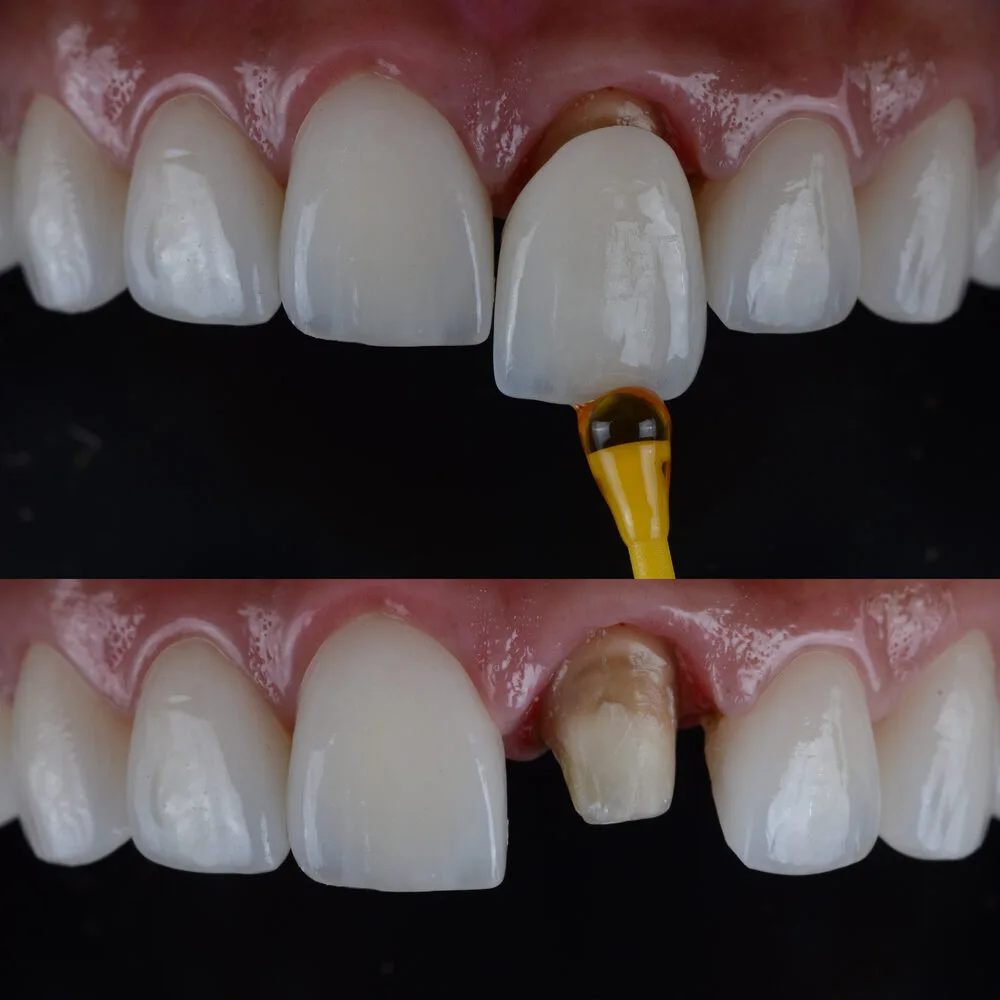
Dental crowns are one of the most popular and effective restorative treatments in modern dentistry. They restore the strength, shape, and function of a damaged tooth while improving aesthetics. But a question most patients ask before investing in treatment is: how long do dental crowns last? The lifespan of a dental crown can vary from 10 to over 25 years, depending on factors such as the material, oral hygiene, and bite pressure. This comprehensive guide explores what determines crown longevity, compares materials, and provides professional advice for extending their lifespan — especially relevant for patients considering dental tourism in Albania.
What Is a Dental Crown?
A dental crown is a custom-made cap placed over a tooth that has been damaged, weakened, or treated with a root canal.
Its purpose is to:
-
Restore chewing function
-
Protect the underlying tooth structure
-
Improve the tooth’s appearance and alignment
-
Prevent fractures and future decay
Crowns are also used in dental implant restorations, where they replace missing teeth entirely.
Average Lifespan of Dental Crowns by Material
The material is the single biggest factor affecting how long dental crowns last.
Here’s a detailed comparison:
| Crown Type | Material | Average Lifespan | Durability | Aesthetics |
|---|---|---|---|---|
| Porcelain-fused-to-metal (PFM) | Porcelain over metal base | 10–15 years | High | Good |
| All-ceramic / E-max crown | Lithium disilicate ceramic | 15–20 years | High | Excellent |
| Zirconia crown | Solid zirconium dioxide | 15–25 years | Very high | Excellent |
| Gold alloy crown | Gold and metal mix | 20–30 years | Exceptional | Moderate |
| Resin crown | Composite resin | 5–10 years | Moderate | Fair |
✅ On average, most dental crowns last between 10 and 20 years, but with proper care and maintenance, some — especially zirconia or gold — can remain functional for 25 years or longer.
Factors That Affect How Long Dental Crowns Last
1. Material Quality
Crowns made from advanced ceramics (E-max, zirconia) or gold alloys tend to last much longer than basic resin or metal-porcelain combinations.
2. Location of the Crown
Crowns on back teeth (molars) experience heavier chewing forces and may wear faster than those on front teeth.
3. Dental Hygiene Habits
Good brushing, flossing, and regular professional cleaning reduce bacterial buildup and prevent decay beneath the crown margins.
4. Bite Alignment and Bruxism
Grinding or clenching (bruxism) can cause microcracks or loosen cement. A night guard can prevent unnecessary pressure.
5. Quality of the Dental Procedure
The skill of the dentist and the precision of the laboratory are essential for crown longevity.
Clinics using CAD/CAM digital technology ensure perfect fit and sealing, reducing the risk of early failure.
6. Diet and Lifestyle
High sugar or acidic diets, smoking, and excessive alcohol consumption can reduce lifespan by weakening both the natural tooth and the cement bond.
Signs That a Dental Crown Needs Replacement
While crowns are durable, they don’t last forever. You should visit your dentist if you notice:
-
Sensitivity or pain around the crowned tooth
-
Visible chipping or cracking of the crown
-
Dark lines near the gum line (metal exposure in PFM crowns)
-
Looseness or movement of the crown
-
Swelling or bleeding of the surrounding gums
According to the American College of Prosthodontists (ACP, 2024), 80% of crown replacements are due to decay under the crown margins or cement degradation — both of which are preventable with proper hygiene.
How Dentists Replace Old or Damaged Crowns
Replacing a dental crown is a precise but straightforward process:
-
Assessment and X-rays to check the integrity of the underlying tooth or implant.
-
Removal of the old crown and cleaning of residual cement.
-
Impression or digital scan to design the new crown perfectly.
-
Temporary crown placement while the final one is fabricated.
-
Permanent cementation of the new crown and bite adjustment.
Modern clinics such as Medaljon Dent in Durrës, Albania, use 3D CAD/CAM systems to design, mill, and place crowns in the same visit, offering exceptional precision and speed.
Realistic Longevity: How Long Do Crowns Truly Last?
Studies show that approximately 90% of dental crowns last at least 10 years, while 75% last over 20 years.
With zirconia and gold materials, clinical data show success rates exceeding 95% at 15 years.
A 2023 study in the Journal of Prosthetic Dentistry concluded that the median survival time of modern zirconia crowns is 22.8 years, far outperforming older metal-ceramic crowns.
Therefore, patients who maintain excellent hygiene and avoid damaging habits can realistically expect decades of functional use from their crowns.
How to Make Dental Crowns Last Longer
The following steps can significantly extend the lifespan of your crowns:
-
Brush twice daily with fluoride toothpaste
-
Floss carefully around crown margins
-
Visit your dentist twice a year for professional cleanings
-
Avoid biting hard foods, ice, or non-food objects
-
Wear a night guard if you grind your teeth
-
Limit sugary and acidic foods
-
Avoid smoking, which accelerates gum recession
According to Harvard Health Publishing (2024), consistent oral hygiene can increase the lifespan of dental restorations by 30–40%.
Maintenance and Follow-Up: Why It Matters
Routine follow-up visits are essential.
Dentists monitor the cement seal, bite alignment, and gum health, ensuring your crown remains stable and infection-free.
If minor issues such as small chips or loose cement are addressed early, they can often be repaired without full replacement.
Modern bonding materials and nano-ceramics also make maintenance easier and longer-lasting than older methods.
Cost and Longevity: Albania vs Western Europe
For patients seeking affordable, high-quality crowns, dental tourism in Albania has become a trusted solution.
Clinics such as Medaljon Dent offer European-certified materials and technology identical to those used in Italy, Germany, or the UK — but at much lower costs.
| Crown Type | Average Cost in Italy (€) | Average Cost in Albania (€) | Savings |
|---|---|---|---|
| Porcelain-fused-to-metal (PFM) | 400–600 | 150–250 | 60% |
| Zirconia Crown | 700–1,000 | 300–450 | 55–65% |
| E-max Ceramic Crown | 750–1,100 | 350–500 | 55% |
| Full Arch (All-on-4/All-on-6) | 9,000–14,000 | 5,000–6,000 | 60% |
All crowns are manufactured with CAD/CAM precision, ensuring longevity and aesthetics at competitive rates.
Expert Insights on Crown Longevity
“A well-made dental crown can last for decades if it fits precisely and the patient maintains excellent oral hygiene.”
— Dr. Paul Goodrich, DDS, European Academy of Cosmetic Dentistry (EACD, 2023)
“Material science in dentistry has evolved rapidly. Zirconia crowns today are stronger, thinner, and more natural-looking than ever before.”
— Dr. Linda K., Prosthodontist, University of Milan
These expert opinions underline that longevity is no longer a matter of luck but of science, technique, and follow-up care.
Modern Advancements That Improve Crown Lifespan
New digital systems and materials have dramatically improved crown durability:
-
3D CAD/CAM milling ensures perfect anatomical fit.
-
Zirconia and E-max ceramics resist fracture, wear, and staining.
-
Digital bite analysis prevents excessive pressure.
-
Laser gum contouring enhances crown margins and sealing.
-
Biocompatible cements improve adhesion and longevity.
At Medaljon Dent, these technologies combine to deliver crowns that are not only long-lasting but also aesthetically flawless.
When to Replace All Dental Crowns
A complete replacement may be advised if:
-
Crowns are more than 15–20 years old
-
Recurrent decay or gum recession is present
-
The aesthetics are outdated (dark lines or mismatched color)
-
The patient switches to all-ceramic or zirconia for cosmetic reasons
Replacing old metal-based crowns with new ceramic or zirconia alternatives can rejuvenate both smile aesthetics and oral health.
Key Takeaways
-
The average lifespan of dental crowns is 10–20 years.
-
Zirconia and gold crowns can last 25–30 years or more.
-
Longevity depends on material, dental hygiene, bite habits, and regular check-ups.
-
Clinics with advanced digital equipment offer longer-lasting, more precise restorations.
-
Dental tourism in Albania offers top-tier materials and craftsmanship at 60% lower costs.
Conclusion: Invest in Quality for Long-Term Results
So, how long do dental crowns last?
With modern materials, expert craftsmanship, and proper maintenance, dental crowns can last decades — not just years.
Whether you need a single crown or a full-mouth restoration, choosing an advanced, certified clinic is essential.
At Medaljon Dent in Durrës, Albania, crowns are crafted using Swiss and German materials, precision CAD/CAM technology, and performed by internationally trained dentists. Experience long-lasting results, transparent pricing, and personalized care — because a healthy, beautiful smile should stand the test of time.
